
Edge Types
Overlocked (Merrowed)
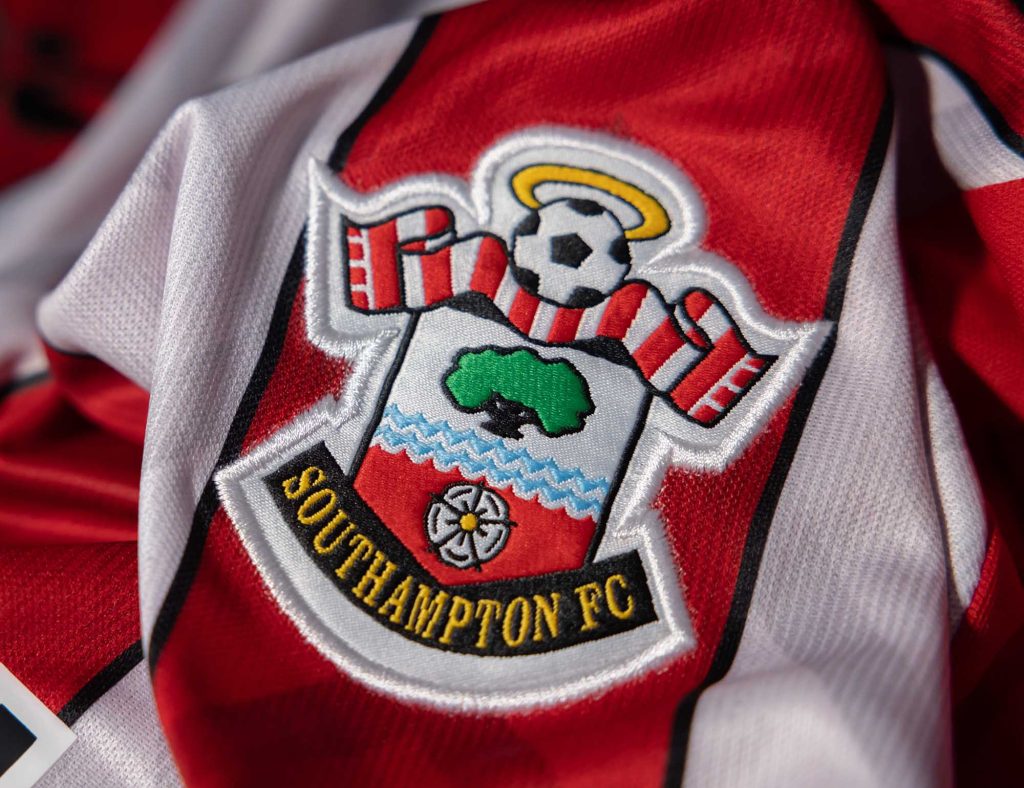
The classic. Thread wraps around the edge to give a neat, rounded border. It’s strong, tidy and works best on simple shapes. If your design is really intricate, laser-cutting is usually better. Overlocked badges and patches can be done in almost any colour to complement your design.
Laser-Cut
As the name suggests, we use lasers to cut badges and patches to the shape of your design. It’s the way to go for unique shapes or detailed outlines. Often we add a satin-stitch around the edge to give it a finished look, but it’s optional.
Heat-Seal Application Instructions
Iron-on at Home
- Lay the garment flat.
- Warm the area of fabric with the iron for a few seconds first so it’s flat and ready.
- Set iron to hot cotton (around 180°C). No steam.
- Place the badge or patch where you want it and cover with a thin cloth.
- Press firmly with the iron for 20–30 seconds. Really concentrate on nailing the edges.
- If possible, carefully turn garment inside-out and repeat for another 20 seconds.
- Allow garment to cool before testing effectiveness. If it peels off or feels loose, repeat the steps above. If still unsure, sew it on for peace of mind.
Note: Works on most fabrics that can handle high heat. Not suitable for nylon, leather, rainwear or very stretchy fabrics. For those, sew the badge or patch on instead. Caps are notoriously hard to iron-on at home because of the curve. You’re welcome to give it a crack, but keep a sewing kit handy.
Heat-Press / Industrial Application
Our wholesale and reseller family often use professional heat-press machines. General guide: around 160°C for 25 seconds dwell time. Adjust depending on garment type.
FAQ
All of them, if applied or sewn correctly. It’s more about convenience and how you plan to use the badge or patch.
Technically yes, but it adds a thick layer. Only go Velcro if you really want the on-off functionality.
Yes. If applied properly they’ll last as long as the garment. Best to stick with cold or warm machine washes and line drying. If a patch does peel off at any stage, it can always be sewn on for peace of mind.
Absolutely. It’s a simple and effective way to refresh existing uniforms or rebrand old stock. Just choose a badge slightly larger than the old logo — heat-seal or sew it straight over the top, and you’ve got a clean new look without replacing the garment.
Absolutely. Still unsure? If you’ve got time, request a sample pack and feel the difference. You can even test a heat-seal badge or patch at home to see how it bonds to your garment.